

 4.7
4.7
Pediatric Electric Wheelchair Buying Guide for a Child With Cerebral Palsy
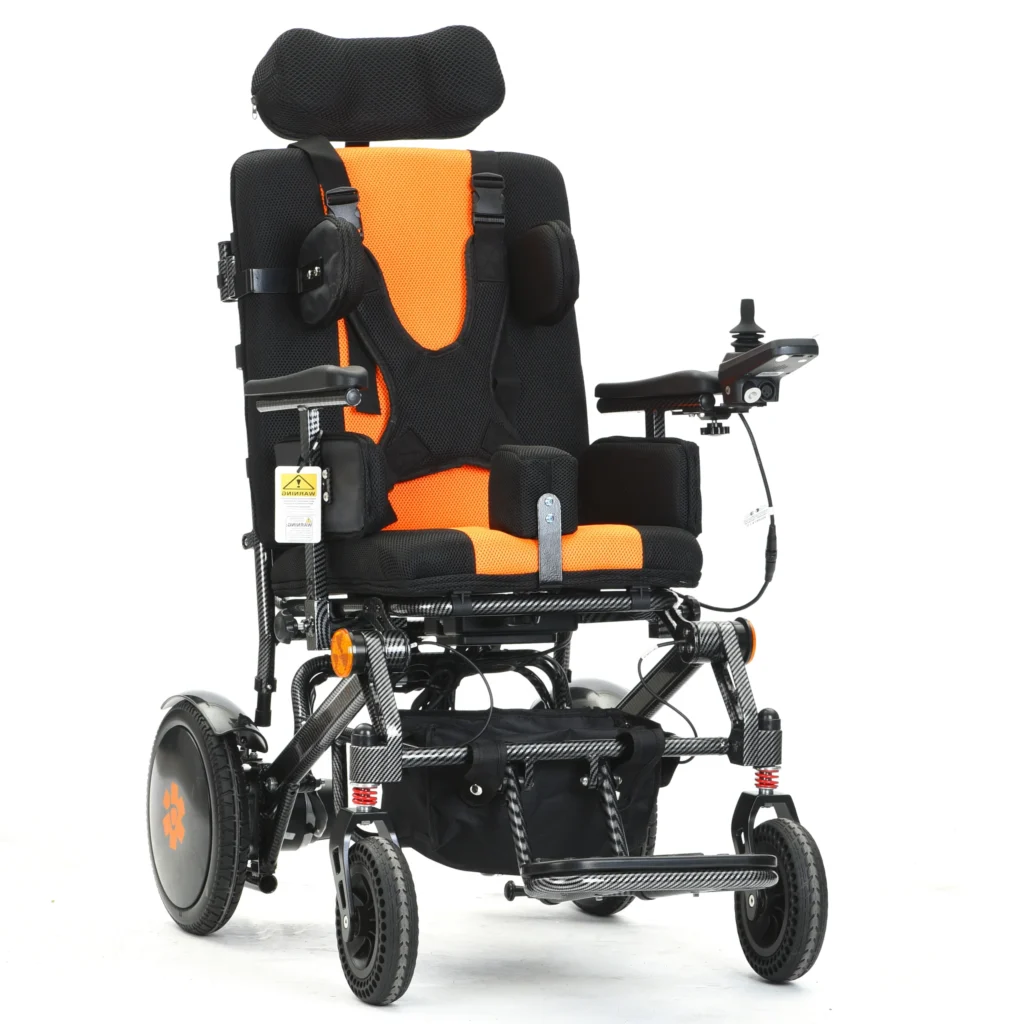
A pediatric electric wheelchair for a child with cerebral palsy should be sized to the child in front of you today, then checked against weight capacity, fold weight, and caregiver controls before anything goes in the cart. Buy for fit first. The chair that holds a child's posture is the one whose seat matches their hip width, not the one with the longest spec list or the lowest price.
My focus is the parent buying directly. Insurance and Medicaid pediatric durable medical equipment exist and matter, but the cash-pay parent shopping for an in-stock folding power chair is the buyer most websites skip. If you searched "pediatric electric wheelchair" and landed on a listing that turned out to be sold out, that is exactly the gap worth closing. HDM's one in-stock pediatric pick is the in-stock Bangeran Pegasus CP pediatric power wheelchair, and it is the direct replacement for the older Pegasus listing that current search traffic still points at.
One caveat up front, before anything goes in a cart. We equip, we do not prescribe. A power wheelchair for a child with cerebral palsy is a medical-grade fit decision, and the right first step is a seating and mobility evaluation with a physical or occupational therapist. We can tell you what carries 265 lbs and folds to 15 by 22 by 27 inches. Your therapist tells you which seat width and back height your child actually needs.
Last updated June 2026.
Our picks at a glance
- Top Pick
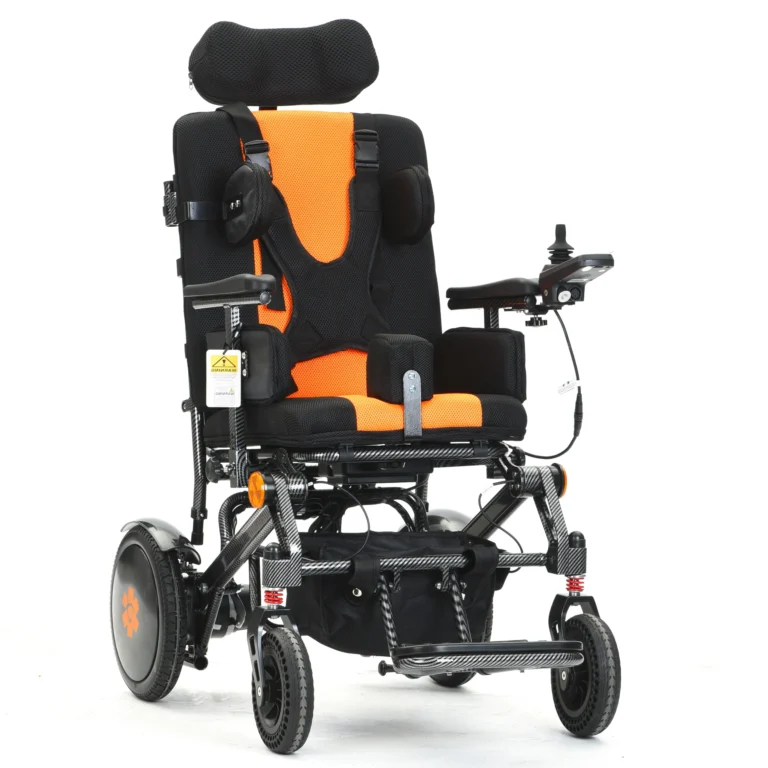 Bangeran Pegasus Cerebral Palsy Lightweight Folding Pediatric Power Wheelchair
- Weight Capacity265 lbs
- Seat Width16.5"
- Seat Depth14"
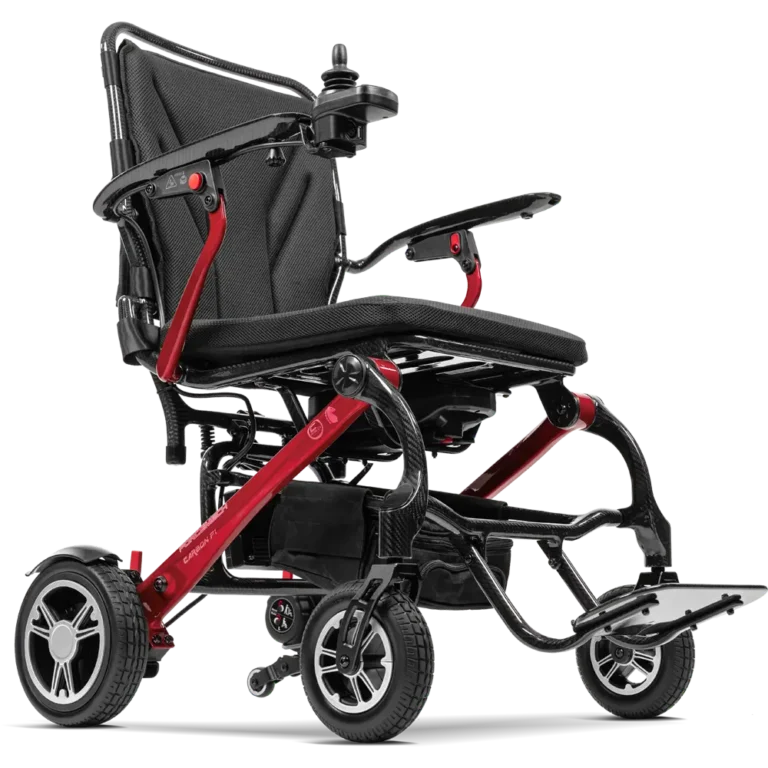 Forcemech Carbon F1 Lightweight Folding Power Wheelchair
- Weight Capacity300 lbs
- Seat Width16.5"
- Effective seat depth17"
$2,799View details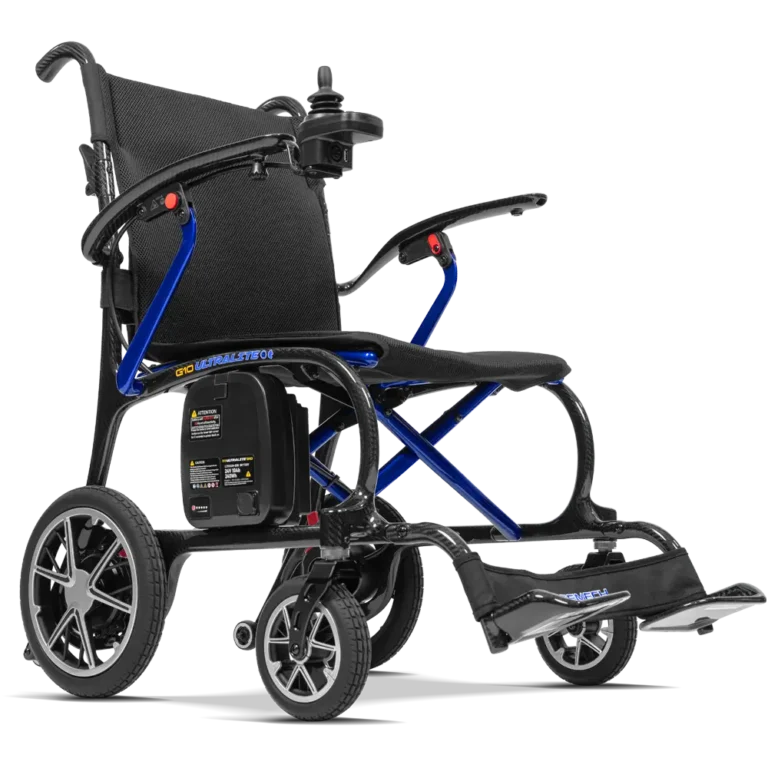 Forcemech Ultralite G10 Lightweight Folding Electric Wheelchair
- Weight Capacity265 lbs
- Seat Width18"
- Effective Seat Depth16.5"
$2,999View details
How to choose a pediatric electric wheelchair for a child with cerebral palsy
Choosing a pediatric electric wheelchair for a child with cerebral palsy comes down to five things, in order. Get the seat sizing right, confirm the postural support a cerebral palsy power wheelchair needs, leave a little weight-capacity headroom, check the fold weight against the car you actually drive, and make sure a caregiver can control the chair. Everything else is secondary.
Here is what each one means in practice.
- Correct seat sizing. Seat width within about an inch of the child's hip width, seat depth that stops two finger widths behind the knee, back height that supports the trunk. An oversized seat is the most common and most damaging mistake.
- Postural support for cerebral palsy. Tone, asymmetry, and limited trunk control mean a child often needs a headrest, lateral support, and a firm back. A general-purpose adult folding chair may not offer those.
- Weight-capacity headroom. Pick a capacity comfortably above the child's current weight so the chair stays rated as they grow, without jumping to a frame so large it sacrifices fit.
- Transport fold weight. If a parent has to lift the chair into a trunk several times a day, the difference between a 47 lb chair and a 90 lb one is the difference between using it and leaving it home.
- Caregiver control. A young child or a child who cannot drive independently needs a chair a parent can steer. A Bluetooth caregiver remote does exactly that.
This is a high-stakes purchase, so treat it like one. A clinical evaluation should come before the cart, then the chair sizing, then the specific in-stock models. If you already know the size you need, you can shop our pediatric power wheelchairs now.
Start with a seating and mobility evaluation
Before you buy any pediatric power chair, get a seating and mobility evaluation from a physical or occupational therapist. They measure the child and spec the postural support cerebral palsy requires, and that measurement is what you shop against. This is the single most useful thing you can do, and it costs you nothing on the chair itself.
A seating and mobility evaluation is usually run by a PT or OT, often through a rehab clinic or a seating specialist, sometimes alongside an assistive technology professional. They take the body measurements that map directly to chair specs. Hip width sets seat width. Thigh length sets seat depth. Shoulder height sets back and headrest height. For a child with cerebral palsy they also assess tone, pelvic position, and how much lateral or head support the child needs to stay upright and comfortable.
It matters more here than for a typical adult chair. Cerebral palsy can bring muscle tone that pulls a child out of midline, asymmetry between the two sides of the body, and reduced trunk control. An off-the-shelf seat that is too wide or too deep removes the support that holds the pelvis square, and poor positioning can worsen posture over time rather than help it. The AACPDM care pathways and RESNA's seating and wheelchair service provision guidance both treat seating as a clinical decision, not a retail one. That framing is correct.
The evaluation does double duty. It produces the prescription and documentation an insurance or Medicaid funded path needs, and it gives you the exact numbers to size a cash-pay folding chair correctly. A folding cash-pay chair is a real and reasonable option for many families. The evaluation should still guide the size and support choices either way.
How to size a pediatric power wheelchair to a growing child
Size the chair to the child now and add only a small margin. Aim for a seat width within about an inch of hip width, a seat depth that leaves about two finger widths behind the knee, and then favor a chair whose back height and footrest height adjust so it can follow the child's growth. Adjustable parts buy real growth room. An oversized seat does not.
This is the part parents get wrong most often, and it is worth being blunt about. Buying a chair two sizes too big so the child "grows into it" removes the trunk and pelvic support that holds posture today. For a child with cerebral palsy, that lost support is the whole point of the chair. A seat that is too wide lets the pelvis slide and rotate. A seat that is too deep puts pressure behind the knee and pulls the child forward out of the backrest. You do not gain three years of use. You give up three years of good positioning.
Four measurements map cleanly to the spec columns you will see on a product page.
- Hip width to seat width. Measure the widest point across the hips while seated. Target a seat width within roughly an inch. The Bangeran Pegasus CP seat width is 16.5 inches.
- Thigh length to seat depth. Measure from the back of the buttock to the back of the knee, then leave about two finger widths of clearance. The Pegasus CP seat depth is 14 inches.
- Shoulder height to back and headrest height. The back plus headrest should support the trunk and head. The Pegasus CP back height with headrest is 27 inches.
- Calf length to footrest height. Feet should rest flat with thighs supported. A footrest that adjusts is what carries the chair through a growth spurt.
The growth tradeoff comes down to one thing. A growth-adjustable pediatric power chair earns its keep through adjustable footrest and back height, not through an oversized shell. When you compare chairs, look at what adjusts and by how much, not at how much empty room the seat has. The infographic below pairs each child measurement with the chair dimension you check it against.
- Hip width→ Seat widthAim within about 1 inch of hip width - Pegasus CP seat width is 16.5 inches
- Thigh length→ Seat depthLeave about two finger widths behind the knee - Pegasus CP seat depth is 14 inches
- Shoulder height→ Seat back heightBack plus headrest supports the trunk - Pegasus CP back height with headrest is 27 inches
- Armrest spread→ Armrest to armrestPegasus CP armrest to armrest is 17 inches
- Calf length→ Footrest heightAdjustable footrest height buys real growth room, an oversized seat does not
Raphael's rule of thumb If you can slide your flat hand sideways between the child's hip and the seat armrest with room to spare, the seat is too wide. I want about a finger of clearance on each side, no more. A child who is sliding around inside the chair will fight it all day, and a parent will stop using it within a month. Size tight, then let the footrest and backrest grow.
The best in-stock pediatric electric wheelchair we carry
The Bangeran Pegasus CP is HDM's one in-stock pediatric electric wheelchair, and it is the direct replacement for the older Pegasus listing that current search traffic still lands on. It is purpose-built for a child with cerebral palsy, it is actually in stock, and at Call for price it is priced for the cash-pay parent shopping without insurance.
The specs that matter to this buyer line up with the sizing rules above. It carries up to 265 lbs. The seat is 16.5 inches wide and 14 inches deep, with a 27 inch back height when the headrest is fitted and 17 inches armrest to armrest. The full chair weighs 47 lbs and folds to 15 by 22 by 27 inches, which fits a car trunk. Top speed is 4 mph and range is 6 miles per charge on the standard 6 Ah battery.
For a child with cerebral palsy, the support features are the reason to pick it over a generic folding chair. It includes a headrest, dual shock absorbers, and rear suspension that takes the edge off grass and sidewalk seams, plus intelligent electromagnetic brakes for safe, steady stops. The feature that sells it to most parents is the Bluetooth caregiver remote. A parent can drive the chair from a few feet away, which matters for a young child or a child who cannot operate the joystick independently yet.
The tradeoffs are worth naming plainly. The 6 mile range is built for indoor use and short outings rather than all-day outdoor range, and the seat back height with the headrest fitted is 27 inches, so a very tall or older teen may sit above its support. The 16.5 inch seat width is right for many children but not for a larger child. If your evaluation pointed to a wider seat or more outdoor range, read the next section before you buy. For most cash-pay families fitting a child with cerebral palsy, though, this is the recommended buy, and at Call for price it undercuts the funded route on speed and cost.
The pediatric power wheelchair we recommend
- #1Best overall
Pegasus CP Cerebral Palsy Folding Pediatric Power Wheelchair
HDM's one in-stock pediatric electric wheelchair and the direct replacement for the older Pegasus listing that current search traffic lands on. It is purpose-built for a child with cerebral palsy, with a 16.5 inch seat, a 27 inch back height when the headrest is fitted, dual shock absorbers, electromagnetic brakes, and a Bluetooth caregiver remote so a parent can drive it. The 47 lb frame folds to 15 by 22 by 27 inches for the trunk, and at Call for price it undercuts the funded route on both speed and cost.
See price & details- Pros
- Purpose-built cerebral palsy positioning - headrest, 27 inch back height, dual shock absorbers and rear suspension
- Bluetooth caregiver remote lets a parent drive the chair from a distance
- 47 lb chair folds to 15 by 22 by 27 inches and fits a car trunk
- 265 lb capacity with a 16.5 inch seat that suits many children
- In stock at $1,699, the cash-pay pick
- Cons
- Built for indoor use and short outings rather than all-day outdoor range
- Sized for a child, so a larger teen may sit above the 16.5 inch seat and 27 inch headrest
- No reclining function, it is a positioning chair rather than a rest chair
- #2
Carbon F1 Lightweight Folding Power Wheelchair
Consider this for an older or larger child rather than as the pediatric pick. The full carbon-fiber frame weighs about 33 lbs without battery, the lightest framing pitch here, so a parent can lift it solo, and the 300 lb capacity gives the most headroom for a growing teen. It folds to 28 by 24 by 13 inches and runs 10 miles per charge. The tradeoff is that it shares the Pegasus's 16.5 inch seat width and has no dedicated headrest or cerebral palsy positioning.
See price & details- Pros
- 300 lb capacity, the most headroom here for a growing teen
- Lightest framing pitch at about 33 lbs without battery for a solo lift
- 10 mile range and a tight 24 inch turning radius for indoor use
- Folds to 28 by 24 by 13 inches for the trunk
- Cons
- No dedicated headrest or cerebral palsy positioning
- 16.5 inch seat, so it adds capacity not seat width over the Pegasus
- No tilt or recline, a transport chair rather than a positioning chair
- #3
Ultralite G10 Lightweight Folding Electric Wheelchair
The one to look at when a bigger child needs a wider seat. The Ultralite G10 offers an 18 inch seat width, carries up to 265 lbs, and has the lightest transport weight of the three at 25.8 lbs without battery. Range is 10 miles and the 28 inch turning radius keeps it workable indoors. Like the Carbon F1 it is an adult-class lightweight chair, so it lacks the headrest and CP positioning of the Pegasus, and an evaluation matters more if postural support is the priority.
See price & details- Pros
- Wider 18 inch seat for a bigger or older child
- Lightest transport weight here at 25.8 lbs without battery
- 10 mile range and a 28 inch turning radius for indoor use
- Cons
- No headrest or cerebral palsy positioning
- 265 lb capacity, lower than the Carbon F1
- No tilt or recline, a transport chair rather than a positioning chair
Also consider for an older or larger child
If the child is a teen, or your evaluation pointed to a seat wider than 16.5 inches, two in-stock lightweight folding chairs give more room and capacity while staying light enough for a parent to lift. Frame these as adjacency, not the main pick. They are lightweight adult-class folding chairs that suit an older or larger child. They are not purpose-built pediatric cerebral palsy chairs, and they do not include the dedicated headrest and CP positioning the Pegasus offers.
The Forcemech Carbon F1 is the lightest framing pitch in the group. Its full carbon-fiber frame weighs about 33 lbs without battery, so a parent can lift it solo, and it carries up to 300 lbs, the most headroom here for a growing teen. The seat is 16.5 inches wide, it folds to 28 by 24 by 13 inches, top speed is 4 mph or below, and range is 10 miles per charge. It is $2,799. The tradeoff is the seat width matches the Pegasus, so it buys you capacity and a lighter lift, not a wider seat.
The Forcemech Ultralite G10 is the one to look at when a bigger child needs a wider seat. It offers an 18 inch seat width, carries up to 265 lbs, and has the lightest transport weight of the three at 25.8 lbs without battery. Range is 10 miles, and the 28 inch turning radius keeps it workable indoors. It is $2,999. The tradeoff is the same as the F1. There is no dedicated headrest or cerebral palsy positioning, so if postural support is the priority, an evaluation matters more here than with the Pegasus.
If frame weight is the deciding factor for your family, it is worth a deeper read. We compare the best lightweight folding power chairs by frame weight, carbon fiber against aluminum, in a sibling guide. You can also browse lightweight electric wheelchairs for an older or larger child across the full collection.
Pediatric power wheelchair comparison
Here are the three in-stock chairs side by side on the specs that decide a pediatric purchase. The Pegasus CP comes first as the pediatric pick, then the two lightweight step-ups for an older or larger child. One footnote keeps the comparison clear. The Pegasus frame-weight figure is the full wheelchair weight from its spec sheet, while the two Forcemech rows list weight without battery, so the Forcemech numbers will look lower than a like-for-like comparison would show.
Read the fold-size column if your main constraint is fitting the chair in a trunk, and the seat-width column for fit against the hip-width measurement from your evaluation.
In-stock pediatric and lightweight folding power wheelchair specs compared. Frame weight for the Bangeran Pegasus CP is full wheelchair weight per its spec sheet, while the two Forcemech rows are weight without battery.
| Model | Weight Capacity | Seat Width | Frame Weight (without battery) | Folded Dimensions (L x W x H) | Max Speed | Range per charge | Price |
|---|---|---|---|---|---|---|---|
| Bangeran Pegasus CP | 265 lbs | 16.5" | 47 lbs (full wheelchair weight) | 15"x22"x27" | 4 mph | 6 Miles | Call for price |
| Forcemech Carbon F1 | 300 lbs | 16.5" | 33 lbs | 28" x 24" x 13" | ≤ 4 mph | 10 miles | $2,799 |
| Forcemech Ultralite G10 | 265 lbs | 18" | 25.8 lbs | 29" x 12" x 28" | < 4 mph | 10 miles | $2,999 |
What a pediatric electric wheelchair costs and how to pay for it
A cash-pay pediatric folding power chair runs roughly 1,700 to $3,000. The chairs here span that band exactly, from Call for price for the Bangeran Pegasus CP up to $2,999 for the Forcemech Ultralite G10. Insurance and Medicaid can cover a custom-seated pediatric chair, but that route requires a prescription and documentation, and it costs far more on paper before coverage.
The two paths suit different needs, so it helps to price out both.
The cash-pay path is faster and cheaper for a folding transport chair. You buy the chair, it ships, you use it. No prior authorization, no waiting on a determination. That is the right fit when you need an in-stock chair soon and the child's needs are met by a folding pediatric model.
The funded path fits a complex, custom-seated chair. Power mobility for children is covered as durable medical equipment under Medicaid's EPSDT pediatric benefit, but it runs through a DME supplier with a prescription, prior authorization, and the documentation from your seating evaluation. Custom pediatric power chairs through that route are configured to the child and can cost several times the cash-pay band, with the plan covering an approved portion. HDM is a cash-pay retailer and cannot bill Medicaid or any insurance plan, so that route runs through a DME supplier rather than our checkout. Confirm specifics with your therapist, your DME supplier, and your plan.
The short summary is that cash-pay wins on speed and price for a folding chair, while the funded route wins when the child needs complex custom seating. The cost-tier graphic below lays the bands out side by side.
- Cash-pay folding pediatric pickCall for priceBangeran Pegasus CP - in stock, 265 lb capacity, caregiver remote
- Cash-pay lightweight step-up$2,799 and $2,999Forcemech Carbon F1 and Ultralite G10 for an older or larger child
- Insurance-funded custom-seated chairPrescription requiredFunded durable medical equipment route - needs the seating eval, prior authorization, and a DME supplier
How few true pediatric power chairs actually exist
Genuine pediatric power wheelchairs are a thin market, and that is the real reason the in-stock options are limited. Most child-sized power mobility is either custom, insurance-funded seating or a compact adult chair pressed into service. The funded clinical market dominates the category, so off-the-shelf cash-pay pediatric SKUs are rare, and a few of the ones that do exist sell out and stay out for stretches.
For context only, two named comparators sit in this space and are currently out of stock. The older Bangeran Pegasus pediatric listing is the one current "pediatric electric wheelchair" search traffic still lands on, and the Merits Junior P320 compact power chair is a pediatric-adjacent option that lives in the lightweight collection. We are naming them only so you recognize them if you have seen them elsewhere. Neither is a current recommendation, because neither is available to buy.
The takeaway for traffic landing here is simple. If you arrived on the dead older Pegasus listing, the in-stock Pegasus CP covered above is its replacement and carries the same purpose-built cerebral palsy design. From here you can shop our pediatric power wheelchairs directly, step across to browse lightweight electric wheelchairs for an older or larger child, or see folding power wheelchairs that fit in a car trunk. If you are weighing the Bangeran brand specifically, you can also read our Bangeran folding power wheelchair comparison for more brand context.
Frequently asked questions
What is the best electric wheelchair for a child with cerebral palsy?
For a cash-pay family buying in stock, the Bangeran Pegasus CP is HDM's pick. It is purpose-built for a child with cerebral palsy, carries up to 265 lbs, has a 16.5 inch seat and a 27 inch back height with a headrest, and includes dual shock absorbers and a Bluetooth caregiver remote so a parent can drive it. It costs Call for price. The caveat is that the single best chair for your child is whatever a seating and mobility evaluation fits to their measurements, so confirm the seat width and back height against that evaluation before you buy.
What seat width should a pediatric electric wheelchair have?
Aim for a seat width within about an inch of the child's hip width measured while seated. For many children that lands near the Bangeran Pegasus CP's 16.5 inch seat, while a larger or older child may need the 18 inch seat on the Forcemech Ultralite G10. Resist the urge to go wider so the child can grow into it. A seat that is too wide lets the pelvis slide and rotate and removes the trunk support that holds posture, which matters most for a child with cerebral palsy.
How much does a pediatric electric wheelchair cost?
A cash-pay pediatric folding power chair runs roughly 1,700 to 3,000 dollars. The chairs here cover that band, from Call for price for the Bangeran Pegasus CP to $2,799 for the Forcemech Carbon F1 and $2,999 for the Forcemech Ultralite G10. A custom, insurance-funded pediatric power chair costs several times more before coverage, because it is configured to the child and supplied through a DME provider rather than bought at retail.
Does Medicaid or insurance cover a power wheelchair for a child?
It can. Power mobility for children is covered as durable medical equipment under Medicaid's EPSDT pediatric benefit. The funded route needs a prescription, prior authorization, and documentation from a seating and mobility evaluation, and it runs through a DME supplier rather than a retail checkout. HDM is a cash-pay retailer and cannot bill Medicaid or any insurance plan, so confirm what your specific plan covers with your therapist, your DME supplier, and the plan itself.
Can a parent drive a child's power wheelchair by remote?
Yes, on a chair built for it. The Bangeran Pegasus CP includes a Bluetooth caregiver remote that lets a parent steer the chair from a few feet away. That matters for a young child or a child with cerebral palsy who cannot yet operate the joystick independently. It also helps a parent reposition the chair in tight spaces without lifting the child out.
Should you buy a bigger power chair so the child can grow into it?
No. An oversized seat removes the trunk and pelvic support that holds a child's posture, and for a child with cerebral palsy that support is the main reason for the chair. You do not gain years of use, you give up years of good positioning. Size the seat width and depth to the child today, then choose a chair whose footrest height and back height adjust. Those adjustable parts are what carry the chair through a growth spurt, not an oversized shell.
The clinical guidance and coverage rules come from named primary authorities, and every product spec is pulled from the manufacturer spec sheet for that chair. Sizing targets are general fitting rules and do not replace a seating and mobility evaluation.
Sources & references
- AACPDM - American Academy for Cerebral Palsy and Developmental Medicine care pathways Authority
- RESNA - Wheelchair Service Provision Guide and seating standards Authority
- CMS - durable medical equipment coverage (federal DME guidance) Authority
- Medicaid.gov - durable medical equipment and EPSDT pediatric benefit Authority
- Bangeran Pegasus Cerebral Palsy pediatric power wheelchair spec sheet (manufacturer)
- Forcemech Carbon F1 folding power wheelchair spec sheet (manufacturer)
- Forcemech Ultralite G10 folding electric wheelchair spec sheet (manufacturer)